
BRAVE: The conversations that stayed with me
Reflections on the launch of BRAVE, the people in the room, and a few things I’ve been thinking about since.

Introduction
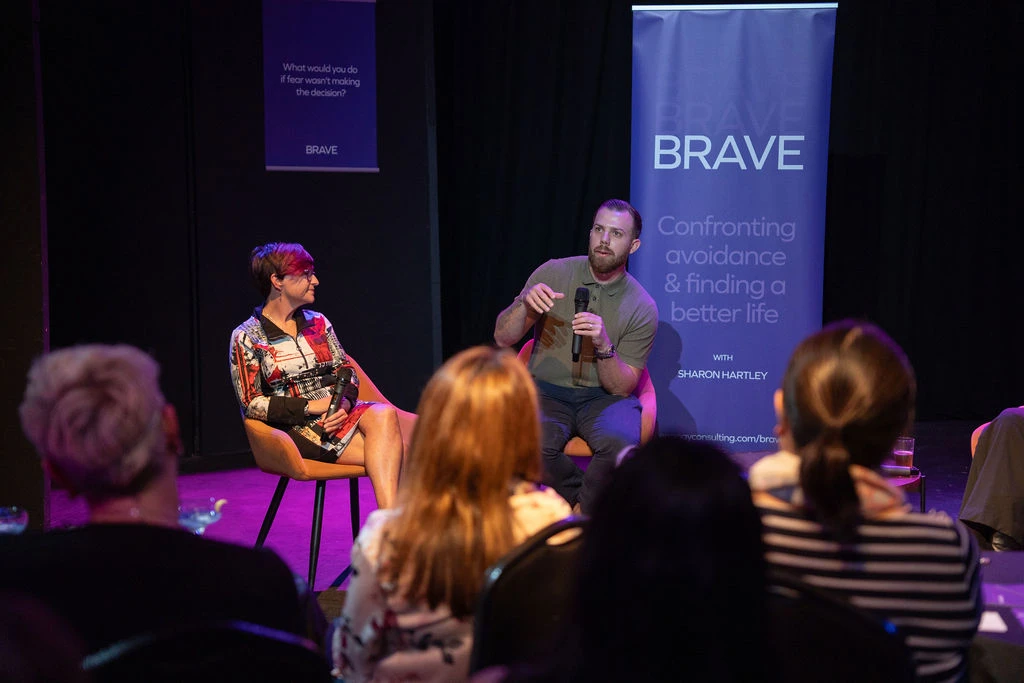
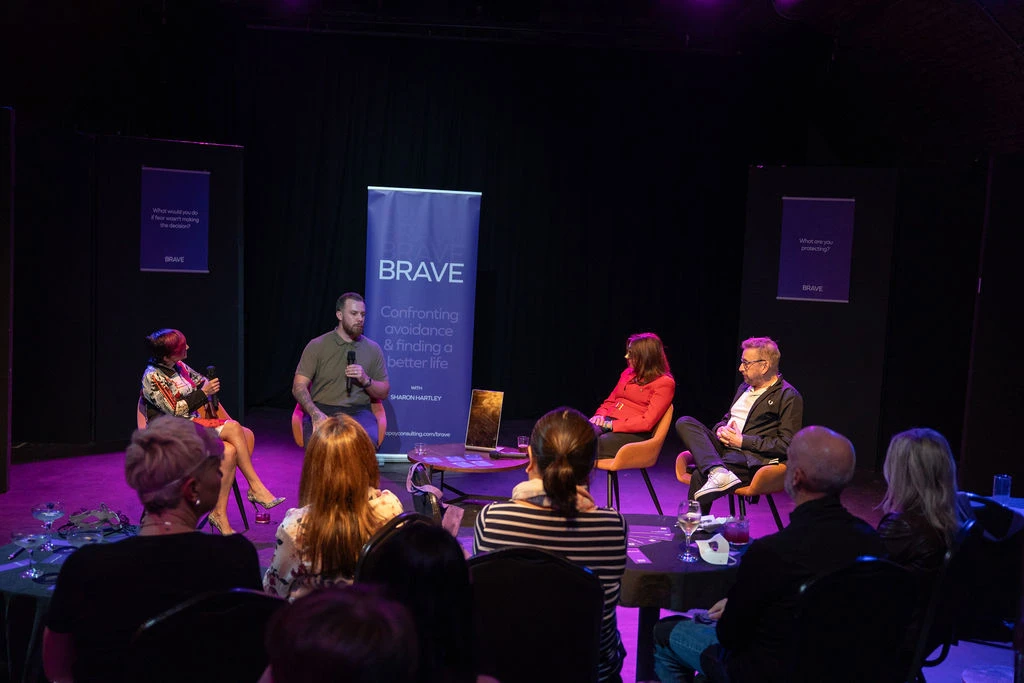
It’s been a couple of weeks since we launched BRAVE at 53two in Manchester on 19 October, and I’ve been reflecting on the evening, the conversations we had, and some of the feedback people have shared with me since.
I didn’t want a traditional book launch. I was quite clear about that from the beginning.
I didn’t want to stand up, talk about myself and the book, have a few drinks, sell some copies and send everyone home.
I wanted people to experience something of what BRAVE is about. I wanted to create an environment where people felt comfortable enough to have conversations they perhaps wouldn’t normally have. To question themselves, challenge some of their thinking, and maybe leave having recognised something they wanted to do differently.
And I think we achieved quite a bit of that. Although, being me, I’ve also spent a fair amount of time thinking about the things I didn’t do, the conversations I could have explored further, and the threads I somehow managed to lose along the way!
The masks we wear and the mirrors we avoid
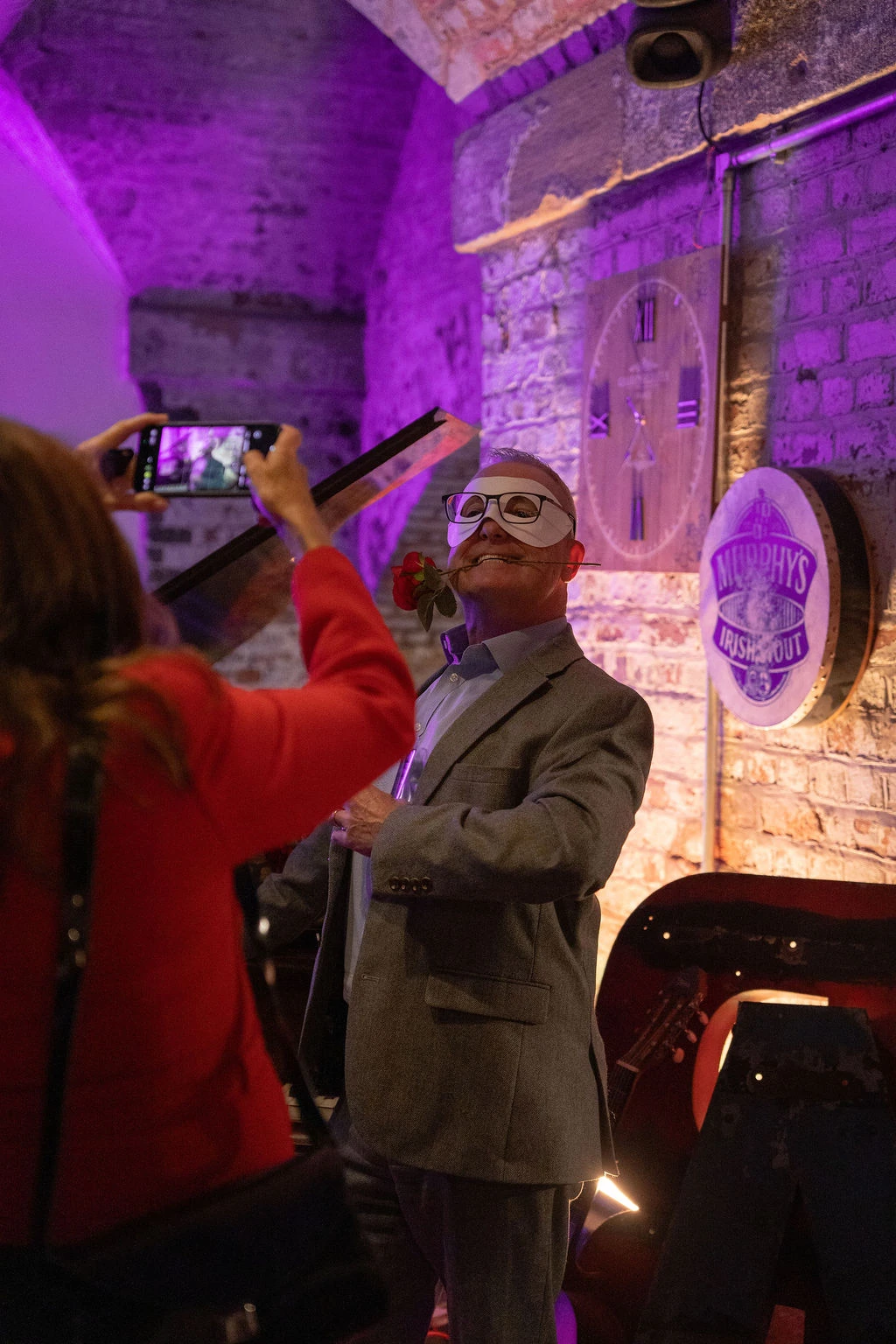
The theme of the evening was Masks and Mirrors. Something I’ve become increasingly curious about through my work with leaders, teams and individuals is how much of our behaviour is driven by the things we believe about ourselves.
Some of those beliefs we’ve developed through experience. Others we’ve inherited from people around us. And some we’ve simply carried for so long that we’ve stopped questioning whether they’re actually true.
We learn how to present ourselves. We become the capable one, the confident one, the person everyone relies on. Or perhaps the person who doesn’t speak up, doesn’t challenge, doesn’t want to get things wrong. And we get quite comfortable in those roles, even when they aren’t necessarily serving us particularly well.
I see it in organisations all the time. People who are perfectly capable of making decisions but constantly seek permission. Leaders who believe they need to have all the answers. People who won’t challenge something they know isn’t working because they’re worried about how it might be received. And I recognise some of those behaviours in myself too.
So, what happens when we start questioning them? What happens when somebody holds up a mirror and we see something we’d perhaps rather not acknowledge?
That’s where some of the conversations during the evening became particularly interesting!
 Article
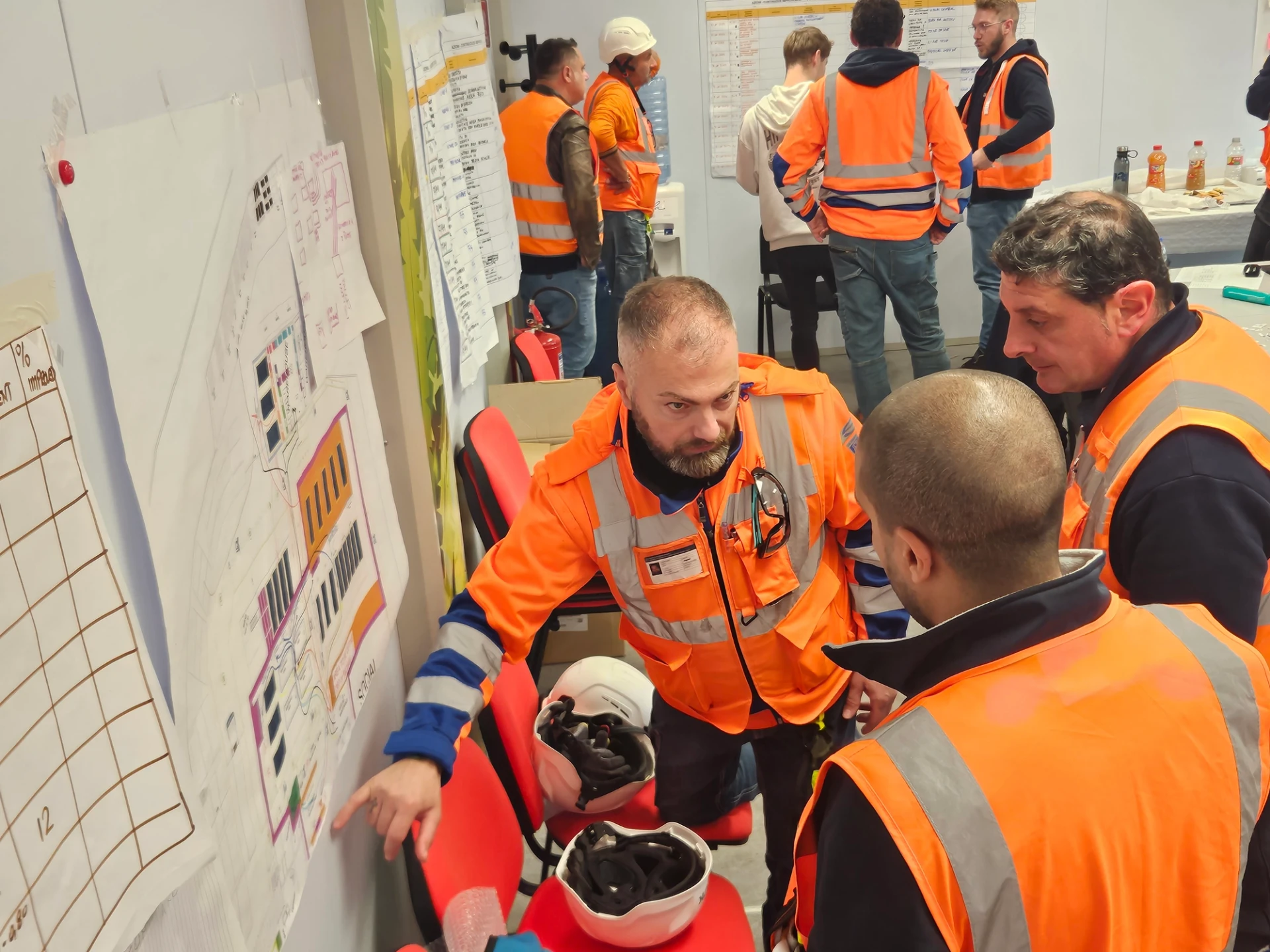
Why operational readiness matters more than urgency
Moving faster doesn’t guarantee better operational outcomes.
Read the article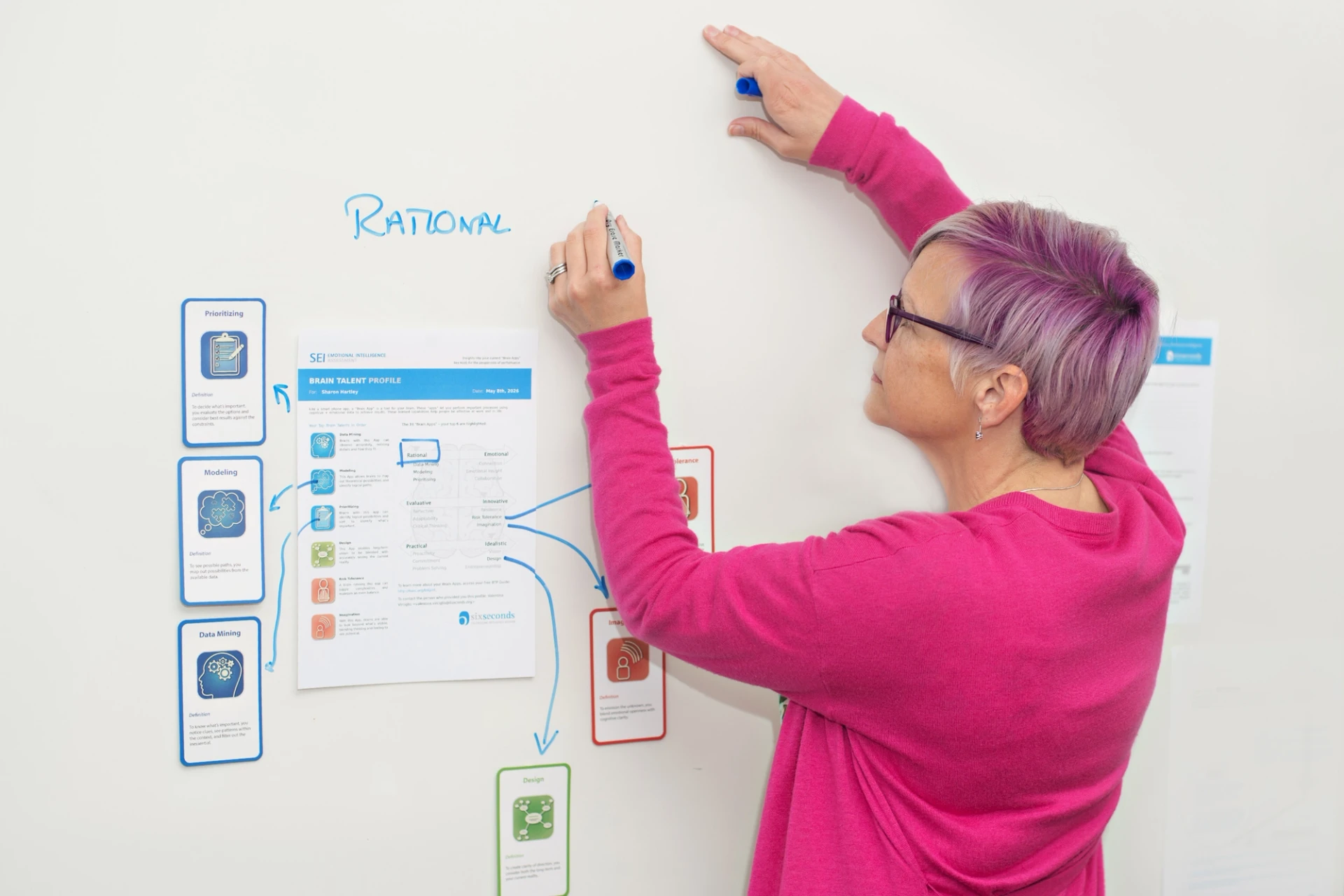 Article
Why organisations stay stuck in the same problem cycles
Stop putting sticky plasters on your organisational problems.
Read the article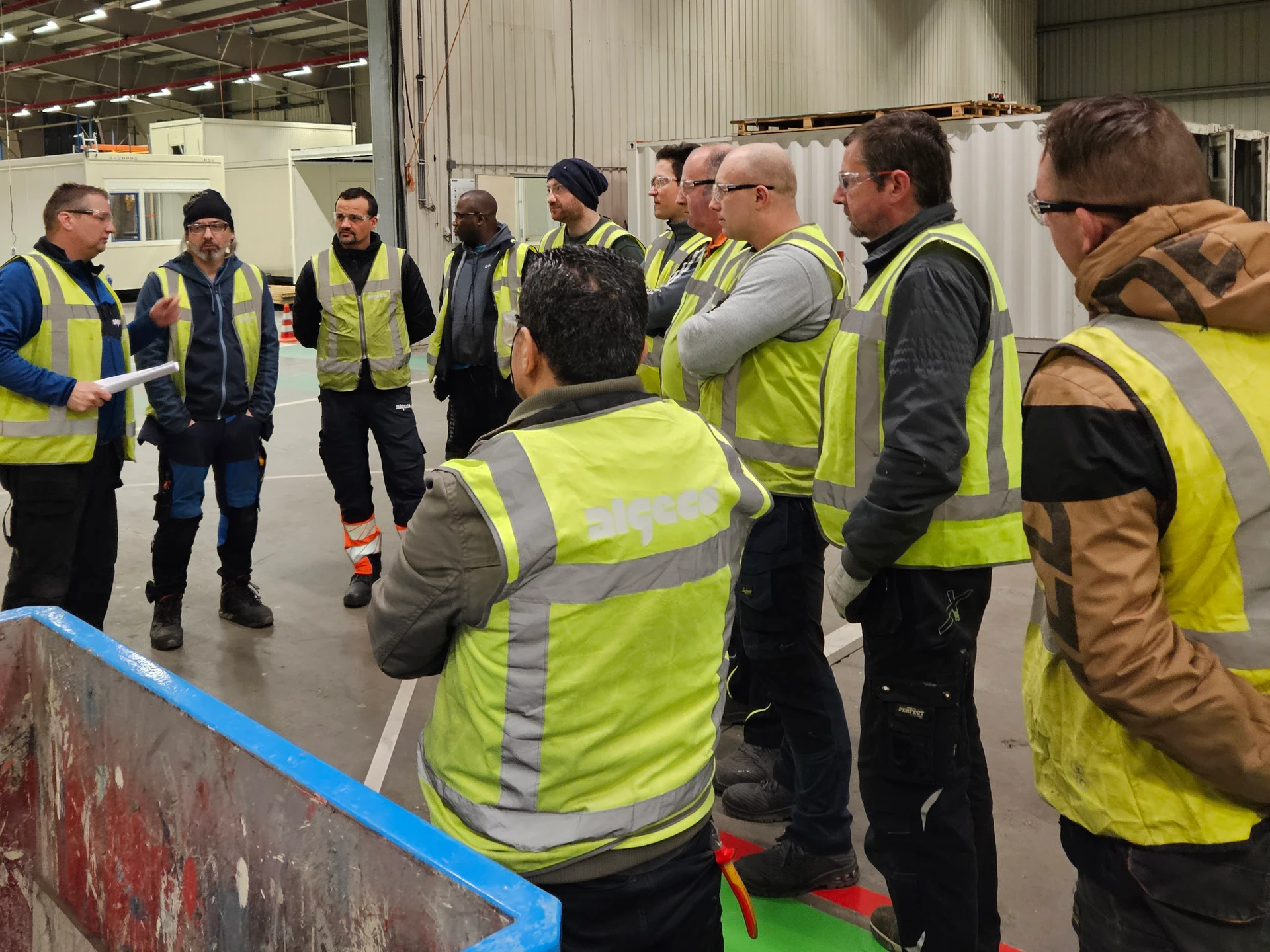 Article
Why change doesn’t start in a training room
Meaningful leadership development happens in the real world.
Read the article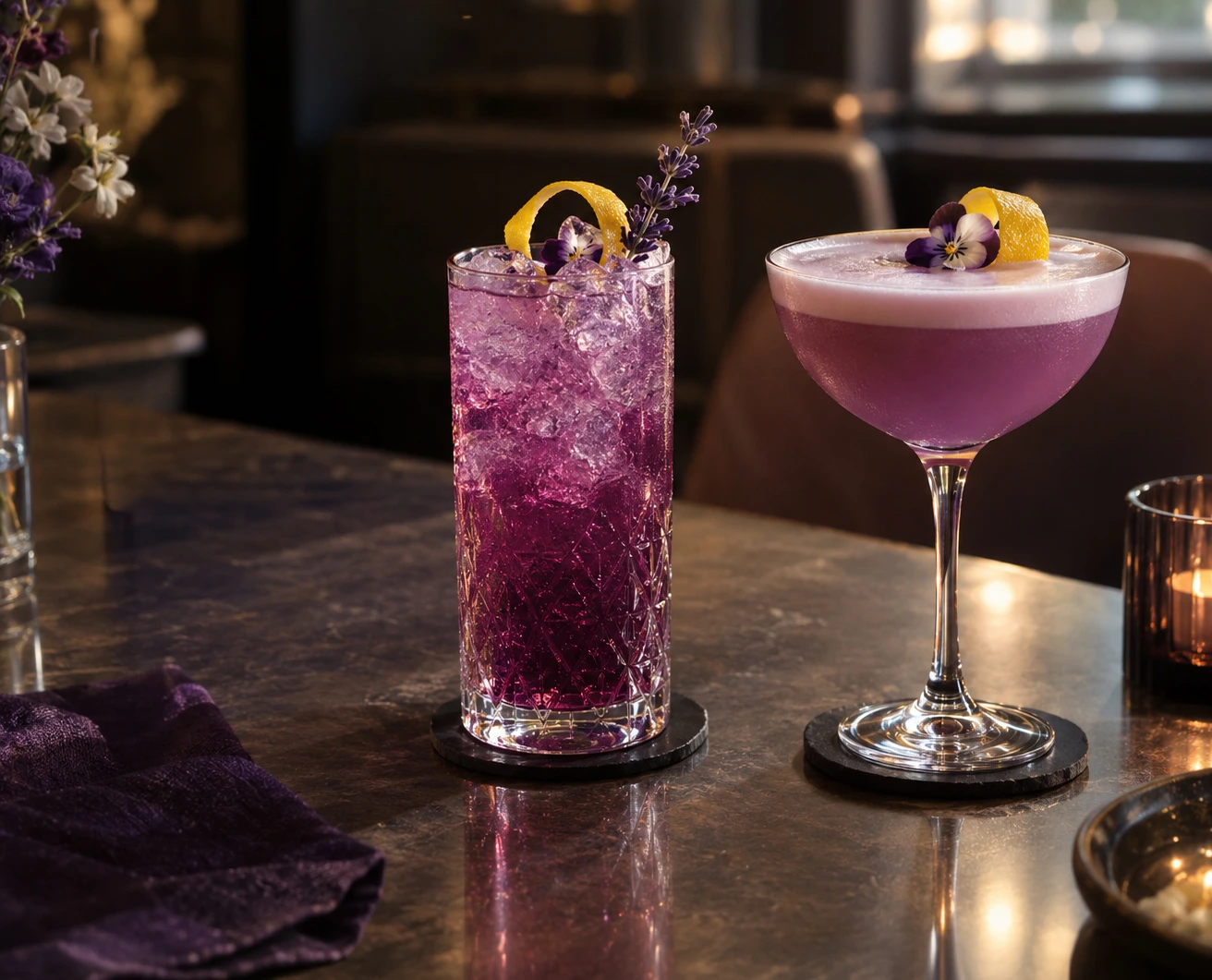 Article
The BRAVE Cocktails: Purple Courage and The Brave Step
Two signature drinks created for BRAVE: one alcohol-free, one made with gin. Both are inspired by the themes of Sharon Hartley’s book.
Read the articleLet’s have a conversation
If something here has resonated, a conversation is often the best next step.
Let’s talk